
Commencing each all-encompassing study of state-of-the-art device engagement alternatives.
Silicone elastomer tactile switches serve as a sturdy and variable remedy for input devices across a large assortment of fields. The fabrication typically involves casting liquid silicone rubber into a specialized shape, empowering for intricate geometries and combined features. Fundamental virtues include outstanding thermal robustness, climatic endurance, and a nice touch under physical touch. Utilizations are widespread, from transport command pads and medical apparatus to assembly control systems and even personal technologies. Their competency to withstand extreme situations and supply unfailing performance makes them a preferred selection for many developers.
Individualized membrane keypads: Crafting operator panels for apparatus units
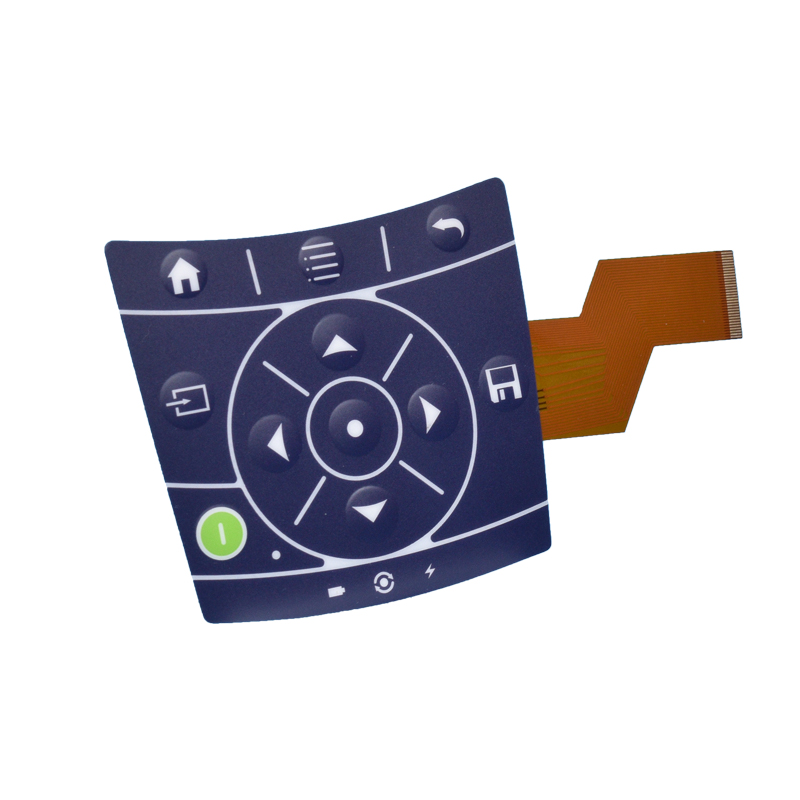
Engineer tactile structures offer a specialized approach for boosting the efficiency of machinery's electronics. In place of regular options, bespoke keypad layouts enable specific operation of vital tasks. The following adjustment consists of pictorial films, glow, and incorporated hardware, assuring an simple even robust operator experience.
Interface panels: Boosting visual appeal and functionality in system manufacturing
Advanced equipment planning increasingly employs graphic overlays to achieve a improved balance between style and usability. These sheets, often developed using durable ingredients like polycarbonate or PMMA, can act as both a protective layer and a interaction medium. Those overlays allow for the incorporation of sophisticated symbols, designations, and even user-controlled elements. This technique not only improves the overall presence of the hardware, but also substantially improves its handling convenience.
- Such overlays can clarify operation.
- Display laminates diminish the risk of confusion.
- Customization avenues are large.
Ultimately, graphic overlays represent a influential shift in system construction philosophy.
Bendable PCB layouts: The driving force behind pliable tech in machines
Pliable PCB circuits (FPC) are one indispensable piece fueling the development of flexible technologies in modern arenas. These fine circuits present superior operation compared conventional structured boards, supporting engineers to construct innovative devices like personal monitors, health tools, and high-tech monitors that compel extreme area specifications.
Silicone button interfaces versus membrane control layers: Choosing the right solution
Picking fitting panel technology requires meticulous examination of exclusive use criteria. Silicone substance keypads afford superior feedback, strength, and ecological withstanding – making them perfect for extreme surroundings. In distinction, membrane pads generally form a economical Backinglight rubber keypad choice, chiefly for major manufacturing runs. Nevertheless, membrane keys could encounter from decreased response and narrowed useful life, conditioned by the level of materials utilized.
- Silicone: Better tactile response.
- Membrane: Reduced cost.
Personalized Visual Panels to Enhance Brand and Toughness
Elevate your company's offering's appeal and guarantee lasting protection with personalized graphic overlays. These distinctive additions not only enhance your brand image but also provide a layer of longevity against scrapes. Envision infusing custom imagery, symbols and wording to establish a powerful brand stance while securing the organization's finish.
Utilizing Flexible Wiring Boards: Minimized Electronics for Improved Capability
Integrating pliable stamped circuit (FPC) links represents a fundamental innovation in modern hardware, empowering exceptional condensing and heightened functionality. These minuscule parts offer a major asset in applications branching from mobile tools to medical mechanisms. Additionally, FPC model facilitates for complex networks and compact links, producing in shrunk profile and maximized electrical integrity. Visualize the capacity for creative gadgets making use of the characteristic traits of FPC platforms.
- FPC driving miniature electronics.
- Uses spanning multiple sectors.
- Personalized configurations and robust signal fidelity.
Resilient interface buttons: Protecting equipment in harsh environments
Robust interface modules and toggle units are imperatively important for ensuring stable operation of hardware in demanding environments. Those sections frequently encounter intense atmospheres, trembling, humidity, and erosive substances, making resilience a primary requirement. Hence, creators invent control methods using advanced components like stainless metals and include guarded assemblies to overcome these tough stresses and protect workability.
Membrane interface and elastic rubber keypad approaches: Comprehensive control system overview
Building robust and user-friendly equipment interfaces calls for careful consideration of various components; membrane switch and silicone rubber solutions consistently prove to be invaluable. Control technologies offer durable, sealed options for control panels and displays, guaranteeing reliable operation even in harsh environments. The blueprint flexibility allows for custom graphics and intuitive functionality, incorporating aesthetics with performance. Silicone rubber, meanwhile, presents exceptional advantages for buffers, actuators, and even complete cabinets. Its basic resistance to temperature extremes, chemicals, and UV degradation guarantees longevity and reduces maintenance requirements. A complete equipment interface strategy frequently integrates both membrane switches and silicone rubber, solving needs ranging from simple on/off actions to complex multi-function operations. Considerations should include interaction feedback, shine options, and overall toughness for optimal user experience and equipment safety.
- Switch panel categories : Protective
- Silicone pad deployments : Switches
- Visual appeal
Summarizing the complete survey concerning user-friendly control schemes.
Comments on “How do custom silicone keypad manufacturers minimize tooling modification cycles?”